
3D resin printing
rough, dental, jewelry
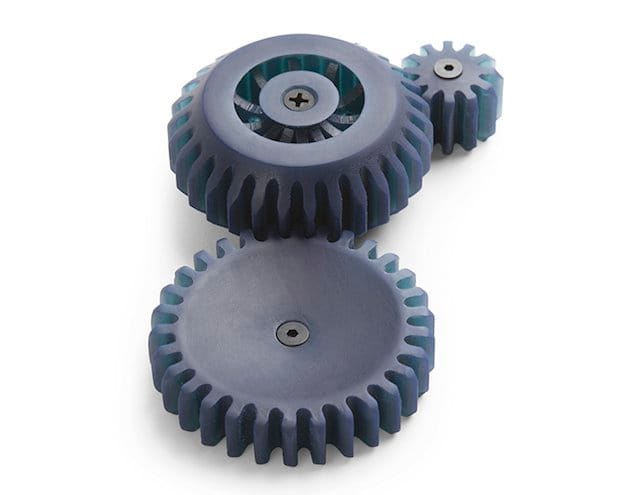
For applications requiring high precision and smooth finish.
Dental
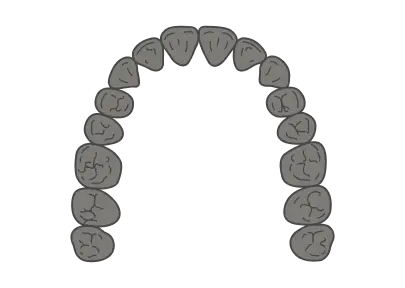
Medical

Bijuterie

Engineering

Research

Manufacturing

Materials Used
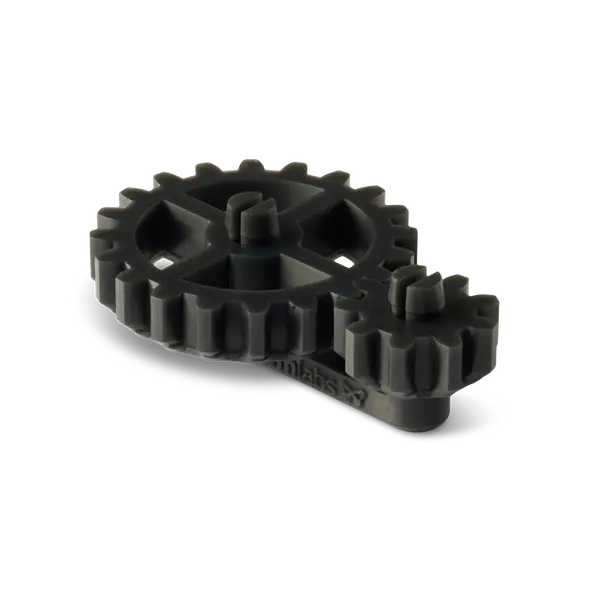
ABS resin
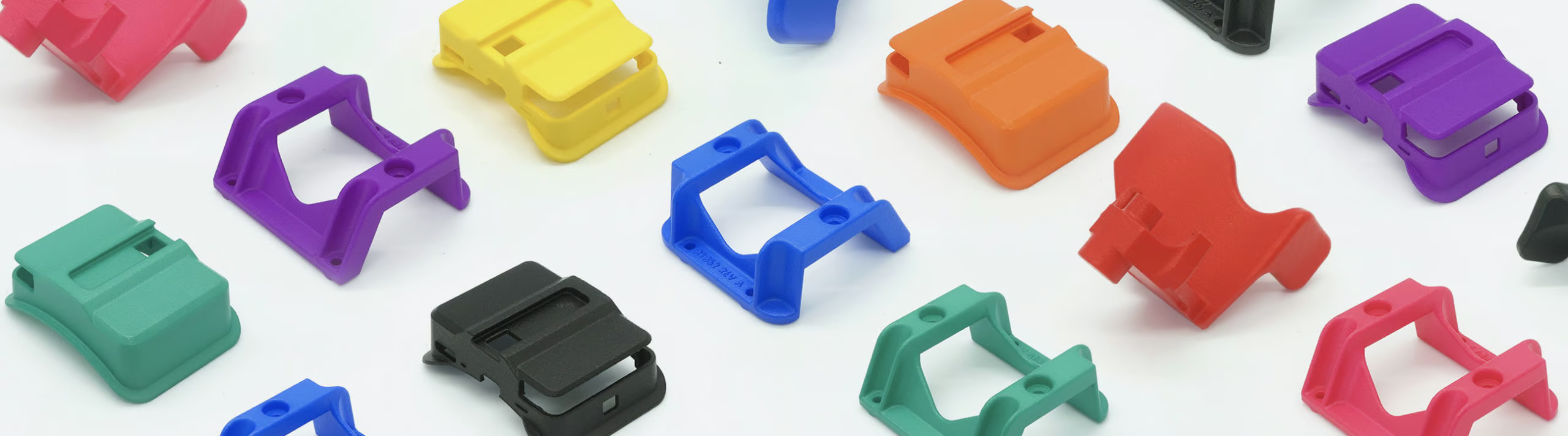
ABS type resin, suitable for most common applications. It offers good impact resistance and greater flexibility than standard resins.
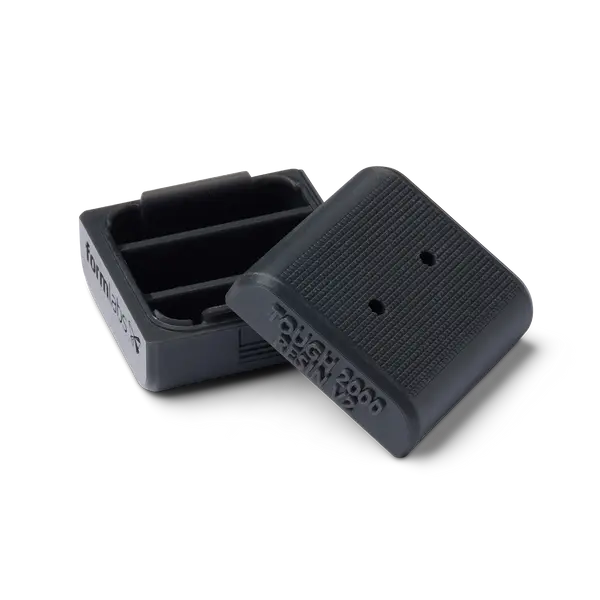
Hard Resin
Hard Resin - characterized by high rigidity and dimensional stability. Suitable for technical parts, functional prototypes and components requiring precision and durability.
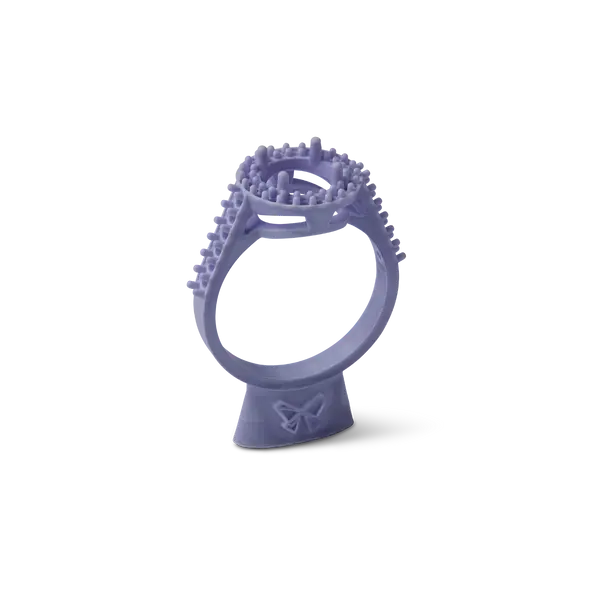
Resin Matrixes
Hard Resin - characterized by high rigidity and dimensional stability. Suitable for technical parts, functional prototypes and components requiring precision and durability.
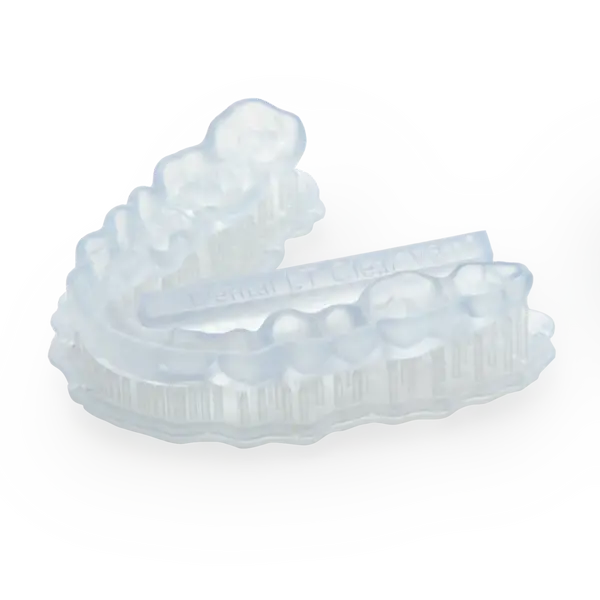
Dental Resin
A biocompatible resin for dental applications, used for mouth guards and occlusal protection. Offers high durability, tear resistance and good optical clarity after polishing.
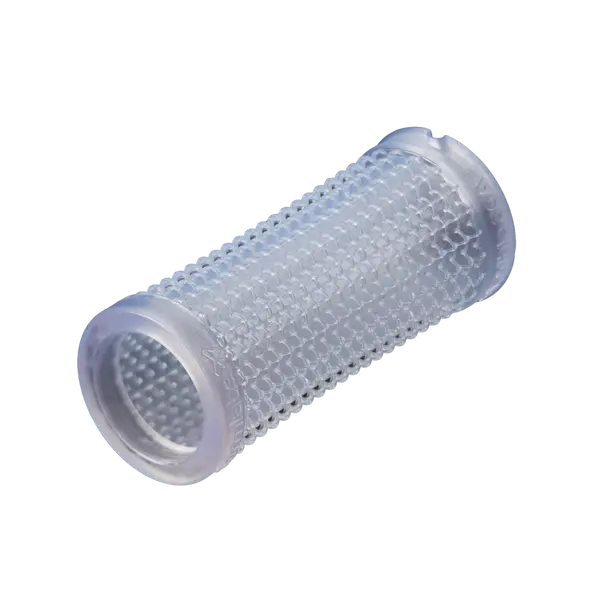
Elastic Resin
Elastic, translucent resin with properties similar to hard rubber. Ideal for prototypes and flexible parts that require bending, compression or deformation without damage. Printed parts can withstand repeated bending and pressure cycles.
Instant price - in three steps.
1. Upload the 3D model into our app.
2. Choose the right material.
3. Place your order.
Trusted partner
for
industry leaders
and engineering









01
Price transparency.
The generated prices represent our offer and are calculated based on a combination of over 20 parameters and use the cura slicer. generates is offer The generated prices represent our offer and are calculated based on a combination of over 20 parameters and use the cura slicer. and are calculated on base a combination of over 20 parameters and use the slicer cure.
02
Fast Quote
With our quick quote app you get an instant printing quote!
03
Support until the project finalization.
We are here to provide guidance in choosing the right material, and we offer services to optimize the shape of the part to reduce production costs.
What is hard resin 3D printing and how is it used at Capib?
At Capib.ro, hard resin 3D printing is a high-precision SLA process in which liquid photopolymer resin is cured layer by layer using UV light to create highly detailed objects. Accuracy reaches ±0.10-0.20 mm - ideal for dental models, jewelry prototypes, engineering components and complex designs that require smooth surfaces and high precision.
What types of dental applications can be realized by hard resin 3D printing?
We offer high precision dental 3D printing for crowns, bridges, surgical guides, orthodontic models and prototypes. Hard resin ensures excellent detail and dimensional accuracy required in professional dental processes. Files are optimized before printing to guarantee printability and correct fit.
Can you create jewelry using hard resin 3D printing?
Yes, we specialize in making finely detailed resin jewelry patterns that can be used as showpieces or as casting patterns in metals such as gold and silver through the lost-wax process. We use castable resin specially designed for clean firing during casting, ensuring accurate and high quality results.
Is resin 3D printing suitable for highly detailed designs?
Absolute. 3D printing with SLA resin offers extremely fine detail and smooth surfaces, making it ideal for jewelry, dental and engineering applications where precision is critical. Our resin parts achieve precision to fractions of a millimeter - suitable for demanding applications that FDM can't achieve.
Is 3D printed resin jewelry safe to wear?
Yes, if processed correctly. At Capib.ro, all resin parts are cleaned and UV cured to ensure safety, durability and high quality before delivery. Each part goes through visual inspection before leaving our workshop.
Do you offer castable resin for metal jewelry production?
Yes, we offer castable resin specifically designed for clean firing during casting, ensuring accurate and high quality results for metal jewelry. Ideal for jewelers and manufacturers who need precise patterns for casting in gold, silver or other metals.
What is the difference between dental resin and jewelry resin?
Dental resin is optimized for strength, precision and sometimes biocompatibility - essential for surgical guides and orthodontic models. Jewelry resin is designed for fine detail and casting performance, especially for the lost-wax process. At Capib.co.uk we carry both types and recommend the right one for your application.
How accurate are resin 3D printed parts?
Our SLA resin parts achieve an accuracy of ±0.10-0.20 mm - often in fractions of a millimeter - suitable for demanding dental, jewelry and engineering applications. If you have critical tolerances or parts being assembled, our team will recommend the right settings before production begins.
What file formats are supported for resin 3D printing?
We accept STL, STEP, IGES, OBJ, 3MF, DXF, DWG and ZIP files - up to 200 MB. If the file has geometry problems or is not ready for printing, our team will repair and optimize it before production - at no extra cost.
How accurate are 3D printed parts?
Our SLA resin parts achieve an accuracy of ±0.10-0.20 mm - often in fractions of a millimeter - suitable for demanding dental, jewelry and engineering applications. If you have critical tolerances or parts being assembled, our team will recommend the right settings before production begins.
What file formats are supported for resin 3D printing?
We accept STL, STEP, IGES, OBJ, 3MF, DXF, DWG and ZIP files - up to 200 MB. If the file has geometry problems or is not ready for printing, our team will repair and optimize it before production - at no extra cost.
How long does resin 3D printing take at Capib?
SLA resin printing at Capib.ro usually takes 3-5 working days depending on size and complexity. For urgent requests, express options are available - contact us, we respond within 2 hours maximum.
Do resin parts need further processing?
Yes, all resin parts are cleaned and UV cured for ultimate strength, smooth surface and durability. Depending on the application, we also offer sanding, polishing and painting for a professional finish.
What are common problems in resin 3D printing and how do you prevent them?
Common problems include warping, resin residue or weak structures - usually caused by incorrect settings, faulty geometry or inadequate post-processing. At Capib.ro, we use optimized settings, check each file before printing and perform visual inspection before delivery
Can I order customized or unique designs?
Yes, we specialize in custom resin 3D printing tailored to your dental, jewelry or engineering needs. The minimum order at Capib.ro starts from 70 lei - you can even order a single piece. If you don't have a 3D file, our team creates it according to your idea, sketch or reference.
Why choose Capib for resin 3D printing services?
Capib.ro offers SLA resin printing with ±0.10-0.20 mm accuracy, engineering verification before production, visual inspection before delivery and free replacement if the part does not meet specifications. We have completed 500+ orders with 0 returns, working with engineering firms, industrial manufacturers and multinationals. Orders are placed through our instant quote system - no phone calls.
Do you offer design optimization help before printing?
Yes, our team of engineers checks and optimizes files to ensure printability, strength and accuracy before production begins. If the file has geometry issues, we fix it - at no extra cost. We accept STL, STEP, IGES, OBJ, OBJ, 3MF and ZIP files up to 200 MB.
Are parts printed with SLA resin strong and durable?
SLA resin parts are strong and dimensionally accurate, but the choice of material matters. Standard ABS-like resins offer good stiffness for prototyping. Tough resins offer higher impact strength for functional parts. High-temperature resins resist up to 135°C. Our team recommends the right material for your application.
What is nylon-like resin and when should I use it?
Nylon-like resin is a flexible and tough SLA resin that mimics the mechanical properties of nylon - providing good impact resistance, flexibility and durability. It is ideal for snap-fits, functional hinges, flexible housings and functional parts that need to bend without breaking.
Are SLA resin parts hygroscopic - do they absorb moisture?
Standard SLA resins have low moisture absorption compared to nylon (PA12) which is strongly hygroscopic. However, prolonged UV exposure can cause yellowing and slight degradation over time - a UV protective coating is recommended for outdoor or long-term use.
Is SLA resin printing recommended for parts that need to hold vacuum?
It depends on the application. Standard SLA resins are relatively non-porous and can hold vacuum better than FDM or SLS/MJF parts. For demanding vacuum applications - suction cups, fasteners or pneumatic seals - we recommend chemi- or tough resin variants, combined with post-process sealing if required.